Brick-compatible mechanisms
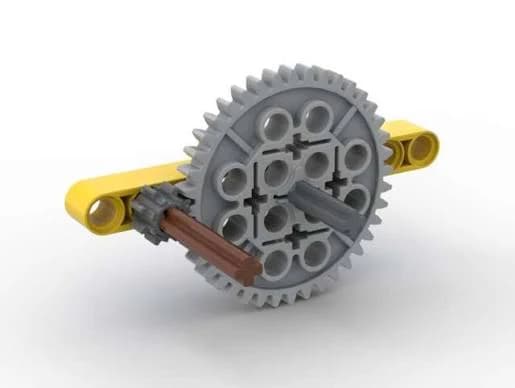
Gear Ratio Demonstrator
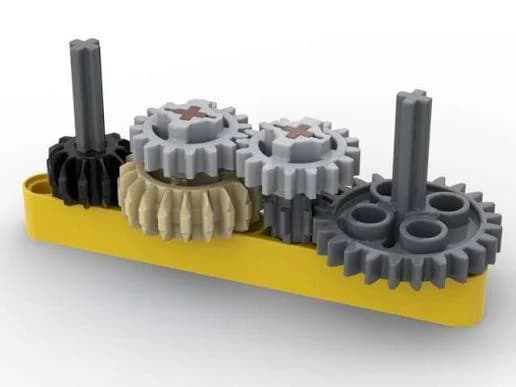
Turn one crank and compare how gear size changes output speed, direction, and turning force.
- Level
- Beginner
- Time
- 45-60 min
- Cost
- $0-$10
125 guides live
Search by material or concept, then filter by category and difficulty.
Showing 125 of 125 complete guides.
Turn one crank and compare how gear size changes output speed, direction, and turning force.
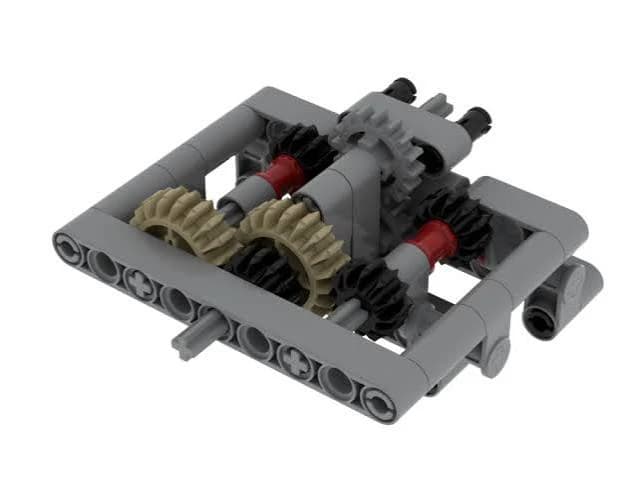
Stack two gear reductions on a shared middle axle to create a large speed change in a compact frame.
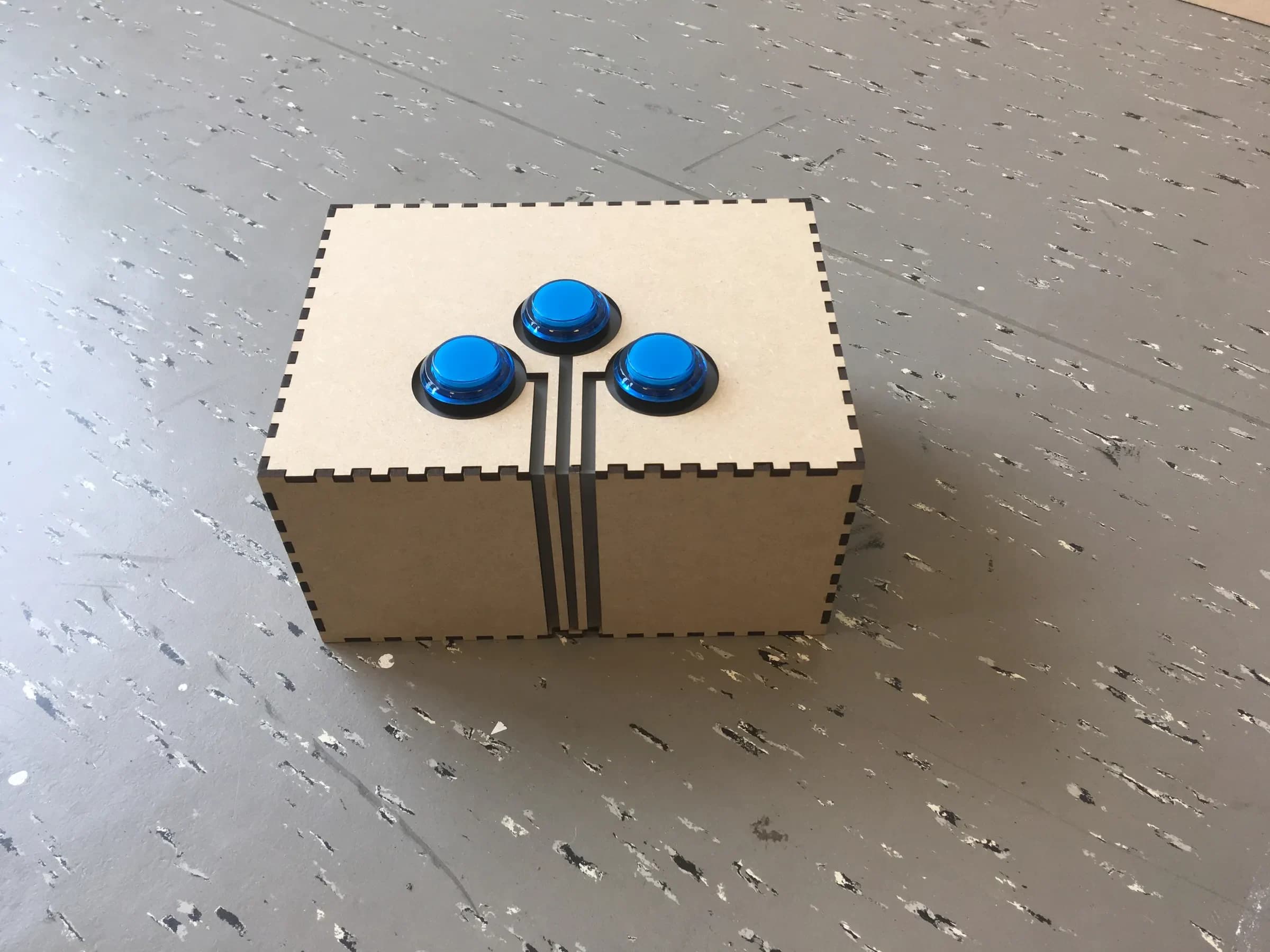
Build a large springy push button that closes a foil contact and can trigger a low-voltage game input or continuity test.
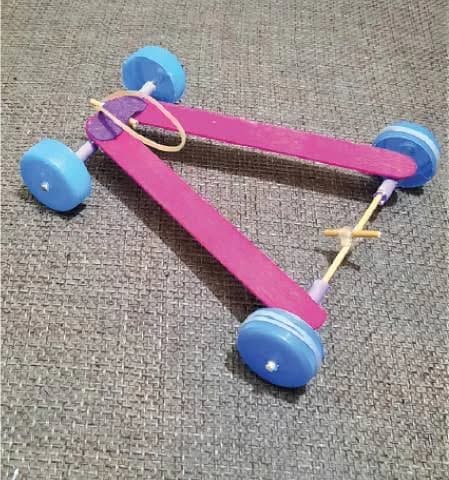
Store energy in a twisted rubber band, release it through the drive axle, and tune a lightweight car for distance.
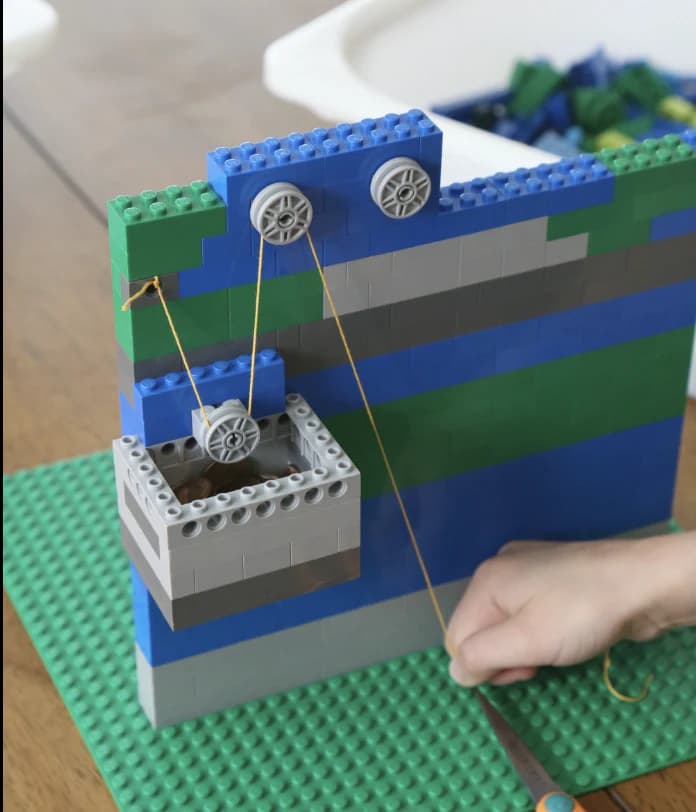
Raise a small platform with fixed and movable pulleys, then compare input force, rope travel, and mechanical advantage.
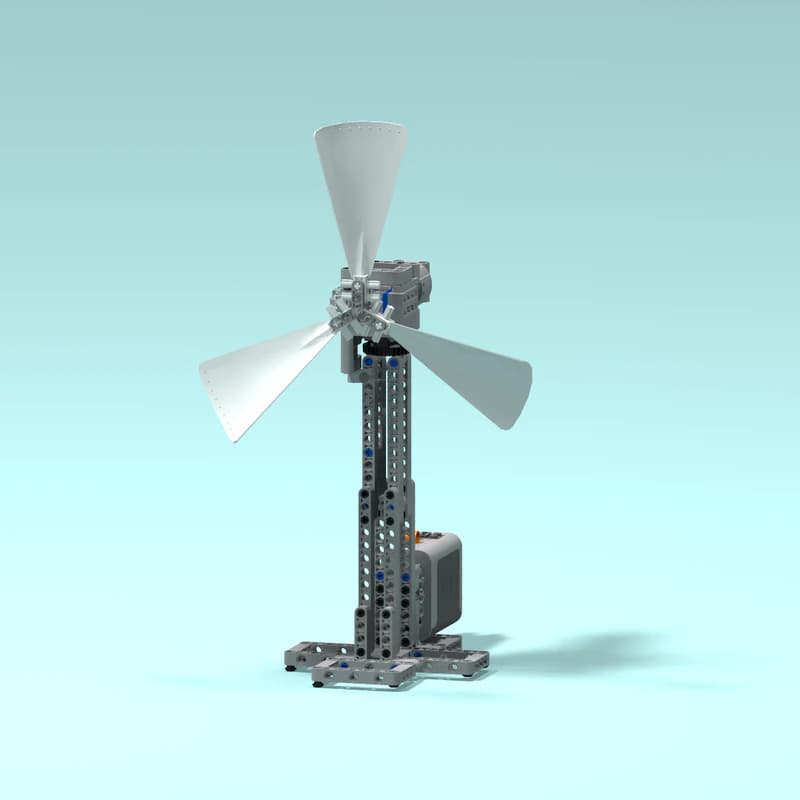
Build a guarded low-voltage fan, switch it with a transistor, and compare airflow at two safe blade pitches.
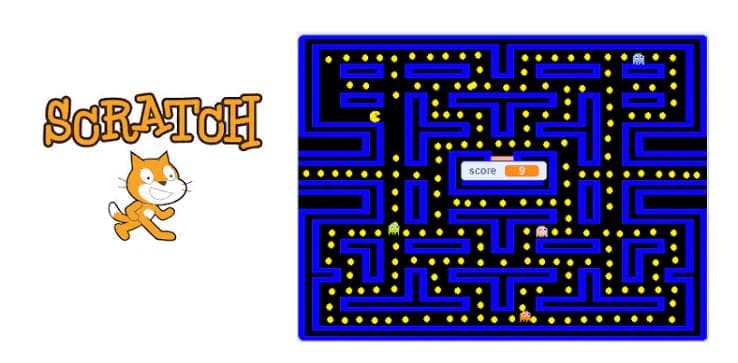
Build a keyboard-controlled collecting game with falling objects, lives, score, speed progression, and a clear restart loop.
Add a middle idler gear to change output direction without changing the ideal speed ratio.
Turn motion around a right-angle corner with two bevel gears and a rigid three-dimensional frame.
Use a worm and wheel to lift a small load slowly with a large reduction and strong resistance to back-driving.
Convert turning motion into straight-line travel with a pinion gear, guided rack, and visible distance scale.
Turn continuous crank rotation into repeating piston motion with a rigid connecting rod and guided slider.
Drive a slotted yoke with an offset crank pin to create compact sinusoidal back-and-forth motion.
Connect four links into a crank-rocker mechanism that turns continuous input into a controlled swinging output.
Build a parallelogram linkage that keeps an output platform nearly level as it moves through an arc.
Trace a simple shape and copy it at a different scale with four linked bars and carefully spaced pivots.
Turn a shaped cam to lift and lower a guided follower with a repeatable dwell and rise pattern.
Offset a rotating mass to create controlled vibration and compare how speed and eccentricity change shaking.
Convert continuous input rotation into indexed output steps with a drive pin, locking disk, and slotted wheel.
Wind a small lifting drum in one direction while a pawl catches each ratchet tooth to prevent rollback.
Build a roller-style clutch that transmits rotation one way and freewheels in the other direction.
Protect a mechanism by letting two friction disks slip when output resistance exceeds an adjustable limit.
Split one input between two outputs that can rotate at different speeds while preserving their average speed.
Select between a fast output and a high-reduction output with two permanent gear pairs and a sliding engagement collar.
Switch one output between forward, neutral, and reverse by sliding an idler gear between two controlled mesh paths.
Link two distant pulleys with an elastic belt and compare ratio, tension, slip, and direction.
Transmit rotation across a wide gap with sprockets and a linked chain that keeps a positive tooth-to-link relationship.
Route one rope through fixed and moving pulleys to trade longer pulling distance for lower ideal lifting force.
Transmit rotation between shafts meeting at an angle with two yokes and a central cross.
Connect parallel but offset shafts with two slotted hubs and a floating middle disk that slides in perpendicular directions.
Connect slightly misaligned shafts with a torsionally flexible beam element and compare compliance with backlash.
Rotate a threaded shaft to move a guided carriage precisely along a straight path.
Push a linkage near straight alignment to create high clamping force and a stable over-center locked position.
Pull two panels together with a hook-and-link latch that becomes stable after its pivot passes center.
Synchronize two jaws so their gripping faces stay parallel while moving toward the center.
Extend hand motion through a long two-jaw linkage to pick up lightweight objects from a distance.
Drive a rocking beam from a crank and transfer alternating lift between two ends.
Coordinate several links around one crank to create a foot path with a flat walking phase and lifted return.
Use a compact four-bar geometry to create an approximate straight foot path during part of each crank cycle.
Construct an exact straight-line linkage from a rhombus and equal-length links, then trace its constrained output path.
Steer two front wheels with a rack so the inner wheel turns more sharply than the outer wheel in a curve.
Guide one wheel through vertical travel with upper and lower arms while the opposite side remains mostly still.
Release a driven wheel one tooth at a time with an oscillating anchor and a low-energy pendulum-like regulator.
Advance a numbered wheel one step per input event and carry from ones to tens after a full revolution.
Require two separate input levers to be active before a mechanical output slider can move.
Store one mechanical bit with an over-center lever that remains in either of two stable states after the input is removed.
Raise two hinged masses as hand-driven speed increases, then use their height as a visible speed signal.
Add rotational inertia to a crank-driven mechanism and compare speed variation, coast time, and starting effort.
Arrange sun, planet, ring, and carrier elements on one axis to explore several ratios in a compact transmission.
Control a rover by changing left and right wheel speeds, enabling straight travel, arcs, and turns in place.
Build a sloped tabletop game with a safe spring plunger, pivoting flippers, bumpers, lanes, and a repeatable scoring test.
Guide a hand-controlled carriage over a prize bin, lower a string claw, close it, and lift lightweight objects.
Build a tabletop game with rotating player rods, contained ball motion, goals, and a fair playfield layout.
Sort sample coins by diameter with a sloped track and a sequence of carefully measured openings.
Lift marbles repeatedly with hand-cranked cups on a loop or rotating wheel and return them to a marble run.
Animate a small cardboard character with a hand crank, cam, follower, and guided moving scene element.
Redirect a line of sight through a tall cardboard tube with two parallel mirrors set at 45 degrees.
Project an inverted outdoor scene onto tracing paper with a light-tight cardboard box and a tiny aperture.
Move a reinforced cardboard arm with paired water-filled syringes that transmit force and displacement through tubing.
Build a guarded tabletop rotor and compare blade angle, area, and load using a household fan as a repeatable wind source.
Build a hand-cranked wheel with hanging gondolas that remain upright as the rim turns.
Roll a toothed cardboard gear inside a ring and trace repeating curves from different pen-hole positions.
Pull string tendons through straw guides to bend segmented cardboard fingers and grasp lightweight objects.
Move lightweight objects across a frame with two rollers, an endless paper belt, and adjustable tracking guides.
Dispense one lightweight item per handle turn with a rotating pocket wheel, gravity feed, and delivery chute.
Align three notched code wheels in sequence so a fence can drop and release a lightweight cardboard door bolt.
Cut large visible cardboard gears and mount them in an open frame to demonstrate ratio, direction, idlers, and compound stages.
Spin lightweight paper blades through a guarded hand-crank transmission and compare blade pitch and gear ratio.
Coordinate two mirrored crank-driven leg pairs so a lightweight cardboard body steps forward across a high-friction surface.
Use air escaping from a balloon through a straw nozzle to propel a lightweight car and compare nozzle size.
Fold one sheet of paper into a bridge that spans 20 cm and compare how cross-section shape changes load capacity.
Build the tallest freestanding tower from limited paper and tape, then evaluate buckling, base width, and bracing.
Build two triangulated side trusses from straws and connect them into a bridge that carries a centered test load.
Build a tabletop crane with a bottle-cap pulley, rotating boom, hand winch, and lightweight hook.
Extend a clothespin's squeeze action through lightweight arms and soft jaws to pick up small objects.
Raise a small platform with crossed craft-stick pairs and a hand-driven input that changes their opening angle.
Compare unknown masses with a level beam, equal arm lengths, hanging cups, and simple calibration marks.
Hide a twisted rubber-band weight inside a round container and use stored energy to roll the can forward.
Turn a twisted rubber band into paddle rotation and tune a lightweight tray boat for straight, repeatable travel.
Release balloon air beneath a lightweight disk to create a thin cushion that reduces sliding friction.
Guide a steel token through a covered maze using a safely enclosed magnet beneath the board.
Create a repeatable rolling timer by tuning a marble path with slopes, gates, and energy-losing turns.
Link ramps, levers, rolling objects, and falling cups into a reliable multi-stage machine that completes one simple task.
Protect a simulated fragile payload by increasing stopping time, controlling orientation, and testing from safe indoor heights.
Compare parachute canopy area while lowering the same lightweight payload through a safe indoor drop.
Fold paper rotors that autorotate during a safe indoor drop and test how blade length changes descent time.
Capture airflow with an adjustable paper sail and tune a lightweight rolling chassis for speed and straight travel.
Connect water-filled syringes to raise a guided platform and compare input travel, output travel, and force.
Build a contained marble route with drops, turns, and a target finish while managing speed and reliability.
Extend paper beyond a desk edge while supporting a fixed tip load, then tune folds and counterbalance.
Turn identical index cards into beams and compare how cross-section geometry changes load capacity.
Design the slowest reliable marble descent using a fixed height, path length, and material budget.
Build a string-driven cardboard hand that grips paper cups and complete a timed stacking task.
Build the tallest paper-and-tape tower that supports a fixed top load and survives a gentle stability test.
Design a bridge under a points budget, purchase materials strategically, and optimize load capacity per unit cost.
Build a carrier that travels down a low tabletop line, delivers a payload, and stops inside a target zone.
Design a remote tool that retrieves a model supply package from a taped hazard zone without crossing the boundary.
Create a five-stage chain reaction whose final motion presses a low-voltage switch reliably.
Choose a lever, pulley, wheel-and-axle, or combination system to lift the same load with the smallest measured input force.
Configure equal vehicles for speed or pulling force, predict their ratios, and compare performance in two fair races.
Pull the same weighted sled across different surfaces and measure the force needed to start and sustain motion.
Arrange lightweight masses on a sculptural frame so the combined center of mass stays above a tiny support point.
Build a two-joint cardboard arm with two low-voltage servos, a simple claw, and constrained motion controls.
Offset a tiny motor mass to create vibration and tune angled bristles into directional motion.
Build a two-motor rover whose front bumpers trigger a timed reverse-and-turn escape behavior.
Use two reflectance sensors and differential motor control to follow a high-contrast tabletop track.
Compare two light sensors and steer a differential-drive rover toward a diffuse flashlight target.
Turn a knob to position a low-voltage servo pointer and calibrate command values against measured angles.
Program red, yellow, and green LEDs as a timed state machine with a pedestrian request button.
Measure response time to a randomly delayed LED cue while rejecting early button presses.
Use a current-limited LED probe to compare whether common dry materials complete a low-voltage circuit.
Use a low-voltage tilt switch and transistor to sound a buzzer when a model container tips beyond a chosen angle.
Send an ultrasonic pulse, time its echo, and display the measured distance to a flat target.
Use a photoresistor voltage divider and transistor to turn on a low-voltage LED when the room becomes dark.
Build a guarded low-voltage belt conveyor with tension adjustment, motor driver, and repeatable package test.
Drive a two-jaw linkage with a low-voltage servo and calibrate grip angles for soft classroom objects.
Build a two-motor differential robot that carries a marker and draws paths from timed wheel commands.
Mount an enclosed vibration motor on a marker tripod and tune mass position to create repeatable drawing patterns.
Turn foil-covered cardboard keys into capacitive touch inputs that play a simple five-note scale.
Turn a low-voltage DC motor by hand, measure generated voltage, and light an LED through rectification and current limiting.
Wind an insulated coil around an iron core, switch it safely with a transistor, and lift steel paper clips for short timed trials.
Create an unpredictable on-screen cue, reject early presses, measure reaction time, and summarize five trials.
Build a browser simulator that calculates speed, torque, and direction for a simple two-gear pair and animates both rotations.
Program a grid robot to navigate walls using turn-and-move commands, collision checks, and a reusable path queue.
Create a tile-based platformer with gravity, jumping, coins, hazards, camera follow, and a complete win-and-restart loop.